

National Awareness Campaign on Weather Conditions and Tsunami Risks Concludes in South Al Batinah
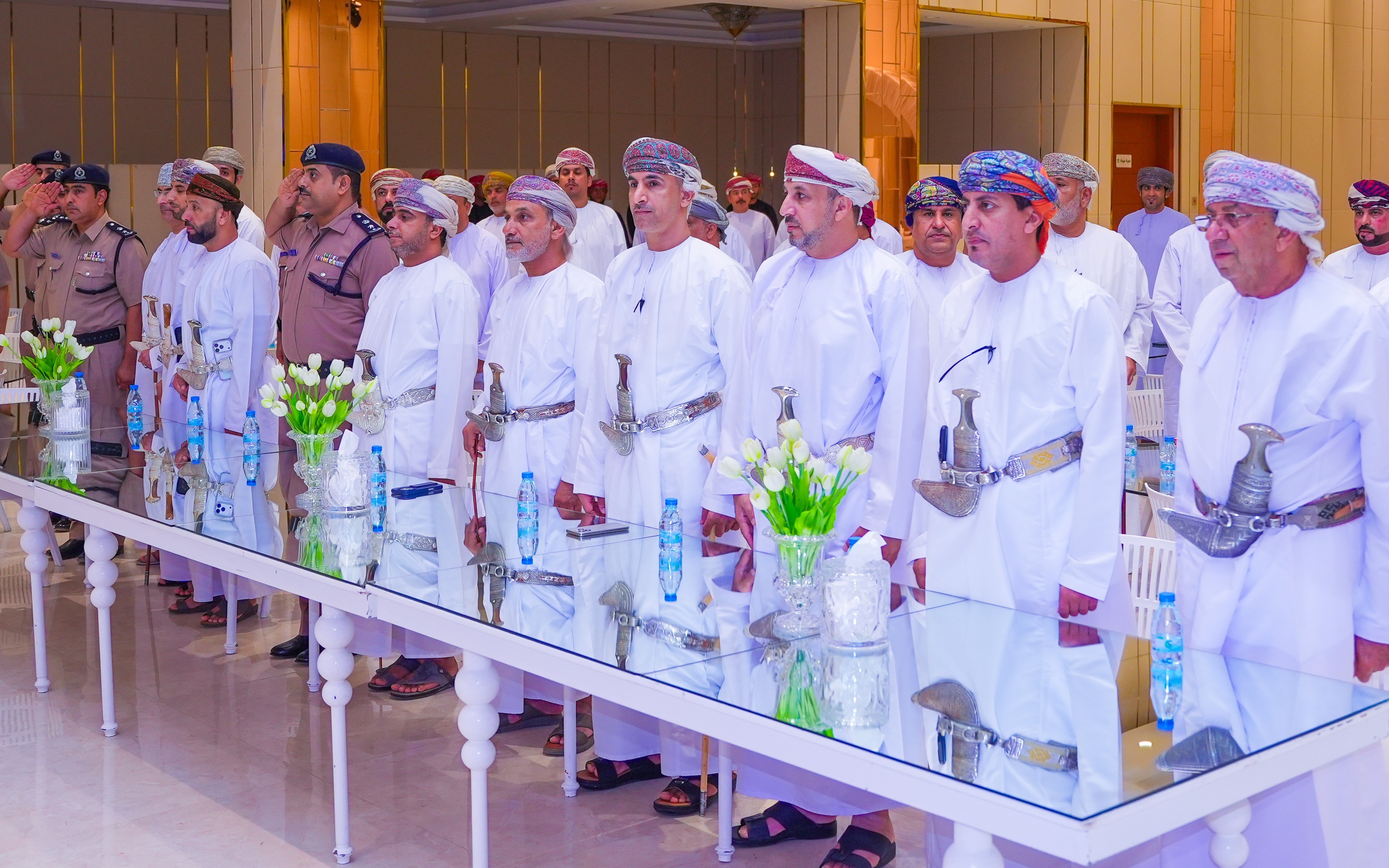
The activities of the National Awareness Campaign on the Risks of Weather Conditions and Tsunami Waves concluded today in South Al Batinah Governorate.
Held under the slogan “Your Awareness for Your Safety,” the campaign was organized by the Civil Aviation Authority (CAA), represented by the National Multi Hazard Early Warning Center, in partnership with the National Committee for Emergency Management, the Ministry of Information, and the Civil Defence and Ambulance Authority, in cooperation with the Ministry of Education, South Al Batinah Governorate, and several relevant government entities.
The closing day activities, held in the Wilayat of Barka under the patronage of His Excellency Sheikh Ahmed bin Ali Al Habsi, Wali of Al Musannah, featured a number of awareness lectures, visual presentations, and specialized working papers focusing on enhancing community preparedness in dealing with emergencies and natural disasters.
The campaign was took off on May 11 and lasted to May 13,2026 across the wilayats of South Al Batinah Governorate, including Rustaq, Al Awabi, Nakhal, Wadi Al Maawil, Barka, and Al Musannah.
The event targeted various segments of the local, educational, economic, and security sectors, in addition to representatives from government and private entities, civil society institutions, students, and educational staff.
The third day program included a visual presentation on the Sultanate of Oman’s response to Cyclone Shaheen, alongside a working paper on the National Emergency Management System presented by Lieutenant Colonel Mukhtar bin Juma Al Alawi from the National Emergency Management Center, as well as a presentation on tsunami evacuation exercises.
The program also featured a paper on the operational procedures of the National Multi Hazard Early Warning Center presented by Mohammed bin Ahmed Al Madhhani from the Civil Aviation Authority, and a lecture on meteorological monitoring in Oman and the role of weather enthusiasts in raising awareness, delivered by Ammar bin Saif Al Amri from the Civil Aviation Authority, in addition to a visual presentation titled “The National Epic.”
Captain Al Julanda bin Mohammed Al Balushi from the Civil Defence and Ambulance Authority highlighted the safety procedures during emergencies, while Hilal bin Ahmed Al Filaiti, Director of the Municipal Department in Barka, focused on the municipal efforts in dealing with weather conditions.
The program concluded with a panel discussion highlighting the importance of institutional and community integration in confronting natural hazards and promoting a culture of prevention and safety.
The second day activities also included field evacuation drills in several schools across the governorate, whereas a full evacuation exercise was conducted at Al Biruni Basic Education School (Grades 5–10) for boys in Al Musannah, involving 13 administrative staff members, 71 teachers, and targeting 1,356 students, including 10 special cases.
The evacuation drills aimed to train students and administrative and teaching staff on procedures to be followed before and during tsunami events, including preparing evacuation plans, identifying safe exits and assembly points, alert and warning mechanisms, forming emergency teams, ensuring the readiness of safety and first aid equipment, taking into account the needs of students with disabilities, and conducting headcounts and follow-up procedures to ensure everyone’s safety.
On the third day also a full evacuation drill was conducted in Barka at Khawla bint Tha’labah Basic Education School (Grades 5–9) for girls, involving 74 educational staff members and targeting 1,006 students, as part of efforts to enhance school community preparedness and raise awareness of preventive measures and rapid response mechanisms during tsunami and related emergencies.
The awareness lectures also highlighted the Ministry of Education’s emergency management strategy by promoting a culture of preparedness, implementing periodic drills, developing rapid and effective communication skills, providing psychological and social support, and ensuring the continuity of the educational process during emergencies, thereby contributing to a safe and stable learning environment.
The campaign was accompanied by an awareness exhibition at the University of Technology and Applied Sciences in Rustaq, featuring several educational and guidance corners aimed at raising community awareness of the risks posed by severe weather conditions and tsunami waves, and introducing preventive measures and safe behavior before, during, and after emergencies.
The campaign sought to deliver several media messages, including introducing mechanisms for dealing with weather-related risks, highlighting the efforts of various sectors during weather events affecting the Sultanate of Oman, disseminating safety guidelines, emphasizing the importance of relying on official information sources and avoiding rumors, and instilling sound practices within the school community.
The Sultanate of Oman is considered among the countries exposed to the risks of tropical cyclones and tsunami waves due to its geographical location overlooking the Arabian Sea. This underscores the importance of enhancing community preparedness and promoting a culture of prevention and safety. In its initial phase, the campaign targets coastal governorates before expanding to cover all governorates across the Sultanate.
The campaign comes as part of efforts to strengthen the early warning, crisis, and disaster management systems, spread awareness about the risks of severe weather conditions, raise community and institutional preparedness levels, promote safe behavior among all segments of society during emergencies, and support community partnership during the recovery phase following weather-related events.
It also aimed to enhance the safety and protection system against multiple hazards, raise awareness of the multi-hazard early warning system, and protect lives and property through the dissemination of preventive knowledge and the promotion of a culture of preparedness.
The campaign witnessed broad engagement from various segments of society, particularly educational institutions and public venues that hosted field drills and awareness seminars, reflecting an increased level of awareness regarding the importance of preparedness for climate-related risks and the promotion of community safety culture.