

CAA Strengthens Commitment to Passenger Rights
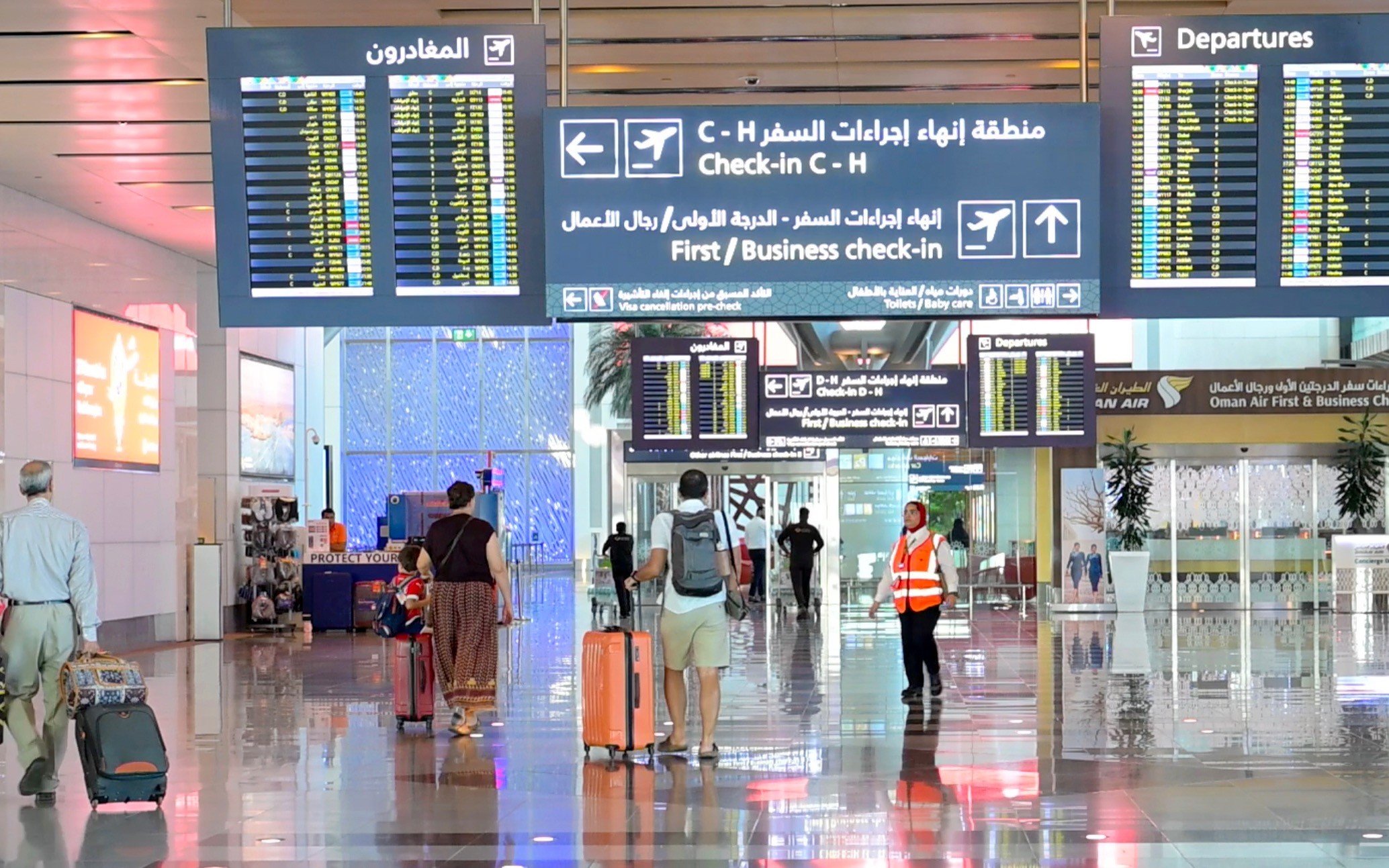
In line of its ongoing efforts to strengthen sector efficiency and build public confidence in line with international best practices, the Civil Aviation Authority (CAA) continues to prioritize the protection of passenger rights and the delivery of high quality air transport services,
Through its regulatory and oversight frameworks, the Authority safeguards passenger rights while reinforcing airline compliance, an approach that contributes to enhancing the competitiveness of Oman’s aviation sector. This is achieved by fostering a transparent and well regulated operating environment that encourages continuous improvement in service quality.
These efforts are reflected in the overall passenger experience by reducing delays and complaints, accelerating response times, and delivering more efficient and reliable services. This, in turn, enhances the appeal of Omani airports as organized and dependable travel hubs, strengthening confidence among both passengers and airlines.
In 2025, the CAA recorded a total of 781 complaints in the air transport sector, categorized as follows: 210 complaints related to flight delays, 132 to flight cancellations, 114 to denied boarding despite confirmed reservations, 145 to delayed, lost, or damaged baggage, and 5 to flight rerouting. An additional 121 complaints were classified under “other” categories, reflecting the diversity of cases handled within the passenger rights protection framework.
The Authority clarified that its passenger protection measures apply to all outbound flights from airports in the Sultanate of Oman—whether operated by national or foreign carriers—as well as inbound flights operated by national carriers and domestic flights. This ensures comprehensive coverage across passenger categories, including frequent flyer program members. Certain categories are excluded, such as passengers traveling free of charge or those holding discounted tickets not available to the public. Meanwhile, inbound flights operated by foreign carriers are subject to the laws of the country of departure or the Montreal Convention of 1999, in the absence of applicable local legislation.
The CAA further emphasized airlines’ obligation to maintain transparency in ticket pricing, refrain from imposing undisclosed fees, and provide passengers with all terms and conditions of carriage prior to booking. Passengers are also required to ensure compliance with travel documentation requirements as stipulated in the regulations.
In cases of force majeure—such as adverse weather conditions, political unrest, or certain unforeseen technical issues affecting flight safety—airlines are exempt from financial compensation, while remaining obligated to provide necessary care and assistance.
Enhancing Service Quality
Hamed bin Ahmed Al-Barashdi, Director General of Strategic Planning and Official Spokesperson of the Civil Aviation Authority, stated that the Authority places significant importance on protecting passenger rights and improving their overall travel experience. This is achieved through the issuance of clear regulations governing the relationship between passengers and airlines, contributing to enhanced service quality.
He noted that the Authority continuously monitors airline compliance with local and international regulations, in addition to assessing operational performance to ensure the highest standards of efficiency and quality.
Al-Barashdi further explained that passenger complaints are handled with utmost attention, involving thorough review and coordination with relevant stakeholders in accordance with applicable regulations. This approach plays a key role in strengthening passenger confidence and improving service standards across the aviation sector.
Passengers may submit complaints and feedback through the Authority’s official channels available on its website, or directly via the Customer Service Department. The Authority ensures prompt handling of complaints by setting clear timelines for response and resolution, while maintaining continuous follow-up with airlines and relevant entities to ensure effective outcomes.
As part of its commitment to transparency and fairness, passengers may escalate unresolved complaints through the National System for Suggestions, Complaints, and Reports (Tajawob) at www.tajawob.om.
The Authority also continues to monitor complaints closely to expedite compensation procedures and ensure airlines adhere to prescribed response timelines, coordinating with relevant authorities when necessary to safeguard passenger rights and enhance service quality.
He concluded by emphasizing that the Authority strives to achieve fairness among all stakeholders through the equitable and transparent application of passenger rights regulations—ensuring the protection of passenger interests while recognizing airline obligations within the approved regulatory framework.
Flight Delays and Cancellations
With regard to flight cancellations, the Civil Aviation Authority (CAA) stated that air carriers are required to notify passengers in advance, in accordance with the timelines specified in the regulations, prior to the scheduled departure time. In cases where a flight is delayed for more than six hours, airlines are obligated to provide care and assistance to passengers based on defined timeframes. This includes offering refreshments after two hours of delay, meals after three hours, and accommodation along with appropriate transportation if the delay exceeds six hours.
Passengers are entitled to choose between an alternative flight or terminating the contract and receiving a full refund of the ticket, including any additional fees paid. In cases of delay, passengers may likewise opt to continue their journey or cancel and claim a refund, in line with the applicable regulations.
In the event of flight rerouting or downgrading of travel class, passengers are entitled to a refund of the fare difference in addition to compensation. If a flight is cancelled and the passenger declines the alternative option, they retain the right to terminate the contract and receive a full refund.
The Authority continuously monitors airline compliance in providing care during delays through an integrated oversight system, which includes reviewing operational reports, tracking flight performance, and following up on passenger complaints. Where shortcomings are identified, appropriate regulatory actions are taken, including warnings, penalties, and requiring corrective measures.
The CAA also works proactively to reduce the recurrence of such cases through ongoing coordination with airlines and airports, analyzing the causes of delays, and implementing corrective actions to improve operational performance and service quality.
Financial Compensation
The Authority indicated that financial compensation is determined in accordance with the Passenger Rights Protection Regulation, which sets clear criteria based on the nature of the incident—such as delays, cancellations, or denied boarding—as well as the duration of the delay and flight distance.
Airlines are also required to provide necessary care to passengers, including meals and accommodation when needed, in addition to financial compensation in applicable cases.
These compensation frameworks play a key role in enhancing airline compliance, serving as an incentive to improve operational efficiency and reduce delays and cancellations, thereby positively impacting service quality and strengthening passenger confidence in the air transport sector.
Overbooking and Baggage
Regarding overbooking, the regulation clearly governs such situations by requiring airlines to first seek volunteers willing to relinquish their seats in exchange for agreed benefits. If no volunteers are available and passengers are involuntarily denied boarding, this must be carried out in accordance with defined rules and criteria.
In such cases, passengers are entitled to choose between a full refund, rebooking on the next available flight, or travel at a later time that suits them. Airlines are also obligated to provide necessary care, in addition to financial compensation as stipulated by the regulation, unless the situation arises from circumstances beyond the airline’s control.
These measures aim to ensure that passengers are not adversely affected, while also regulating airline practices and mitigating the impact of overbooking.
Delayed or Lost Baggage
The Authority also safeguards passenger rights in cases of delayed, lost, or damaged baggage through the Passenger Rights Protection Regulation, which obliges airlines to assume responsibility and provide appropriate compensation depending on the case.
For delayed baggage, passengers are entitled to compensation for the first day, along with reimbursement for essential expenses from the second day until the baggage is received, based on supporting documents. In cases of loss or damage, compensation is determined according to specified limits based on the value and weight of checked baggage. Airlines are also required to promptly process claims and keep passengers informed of their baggage status.
Ensuring the Rights of Persons with Disabilities
The Authority ensures an accessible and seamless travel experience for persons with disabilities through regulations requiring airlines to provide necessary assistance from booking through to arrival. This includes facilitating travel procedures, assisting with boarding and disembarkation, addressing specific needs, and ensuring the safe transport of assistive equipment.
In cases of non-compliance, compensation may reach up to 200% of the ticket value, as stipulated in the regulation.
The Authority also clarified that air carriers bear responsibility for passenger safety during boarding, throughout the flight, and until disembarkation, including in cases of death or bodily injury, in accordance with applicable rules and procedures.
Force Majeure Cases
In force majeure situations, passengers are not entitled to financial compensation where the disruption is proven to result from extraordinary circumstances. These include wars, political unrest, fuel supply issues, unlawful acts or sabotage, security concerns, adverse weather conditions, airport closures, medical emergencies, bird strikes, manufacturing defects, or exceptional unforeseen technical issues affecting safety, as determined by technical assessment. They also include strikes, air traffic control decisions, and matters related to aircraft load.
Firm Commitment
The Civil Aviation Authority continues to monitor airline compliance through ongoing oversight of services, tracking complaints, and ensuring operational readiness at airports. Regulatory action is taken where deficiencies are identified, contributing to improved service standards and enhanced passenger experience.
The Authority reaffirmed its steadfast commitment to strengthening passenger confidence in the aviation sector through the Passenger Rights Protection Regulation issued under Decision No. (757/2024), while promoting transparency and fairness to enhance service quality and boost the sector’s competitiveness at both regional and international levels