

Muscat Concludes 21st Satellite Applications Workshop with Participation from 11 Countries
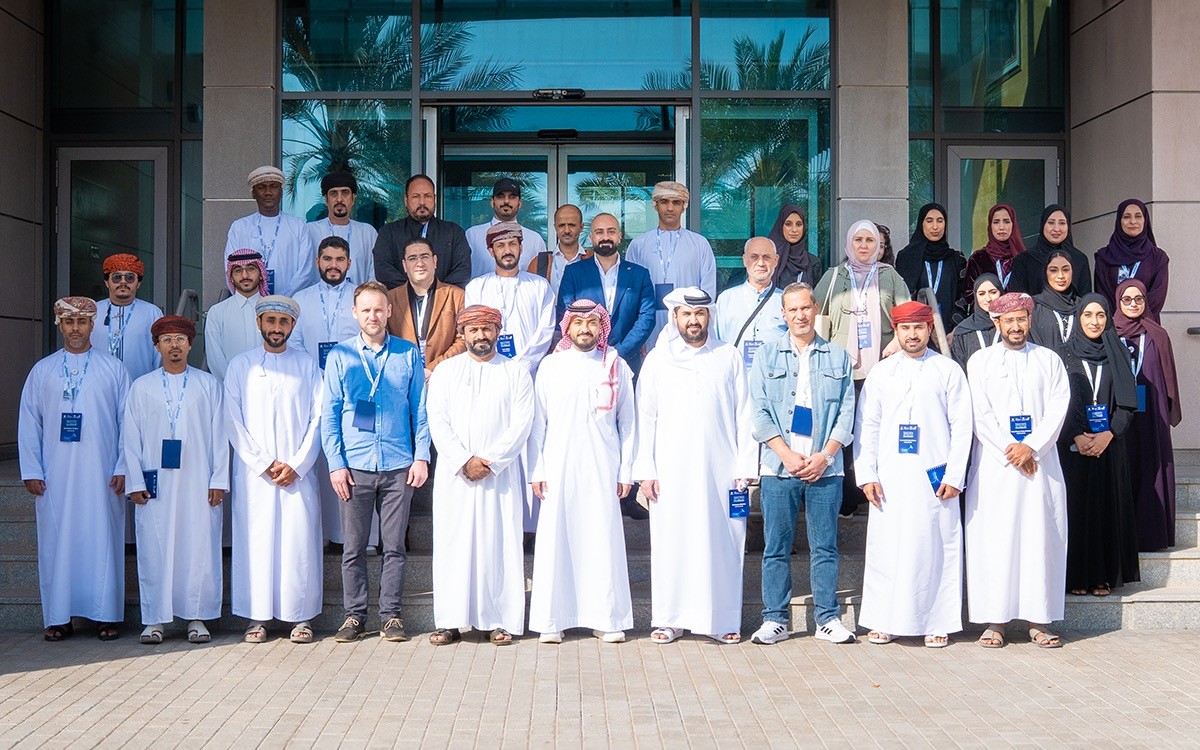
The Centre of Excellence for Satellite Applications - Muscat, at the Civil Aviation Authority (CAA), has concluded the 21st Satellite Applications Workshop, which implemented in cooperation with the European Organization for the Exploitation of Meteorological Satellites (EUMETSAT).
The five-day workshop brought together 24 trainees representing 11 countries from across the Middle East and North Africa region.
The workshop focused on hands-on training to maximize the use of third-generation satellite applications in monitoring various weather phenomena, contributing to enhanced accuracy and quality of weather forecasting across the region. The program was delivered by experts from the Centre, with the participation of a specialist from EUMETSAT.
The training program featured a series of specialized practical workshops covering the climatic characteristics of the Middle East and North Africa region, as well as the technical and operational requirements of satellite systems.
Sessions addressed the fundamentals of satellite operations and third-generation Meteosat systems, in addition to advanced applications in lightning detection, cloud and weather phenomenon classification, thunderstorm tracking, and monitoring of dust and wildfires.
The program also explored the integration of artificial intelligence techniques in the analysis of meteorological satellite data, practical applications for monitoring synoptic weather conditions, and a technical comparison between second- and third-generation satellite systems.
Khalifa bin Salem Al-Sudairi, Director of Meteorological Research and Development at the Civil Aviation Authority, stated that the continued organizing of this workshop for the twenty-first consecutive year reflects the Centre’s strong regional standing and Oman’s role in empowering regional capacities in satellite applications.
He emphasized that the focus on third-generation applications represents a qualitative leap in enhancing forecasting precision and strengthening early warning systems across the region. He also noted the Centre’s strategic direction toward expanding specialized programs, integrating artificial intelligence tools, and measuring the operational impact of training on participating countries.
Established in 2006, the Centre of Excellence for Satellite Applications was designated by the World Meteorological Organization as an accredited training centre in satellite applications. This year marks the twentieth anniversary of its establishment.
The Centre trains more than 500 participants annually from 27 countries and delivers a range of in-person, blended, and online training programs covering climate, marine applications, and data services, supported by extensive local and regional partnerships.
The workshop underscores the Civil Aviation Authority’s continued commitment to fostering regional integration and strengthening technical capabilities in the effective utilization of satellite data, ultimately enhancing the quality of meteorological services and supporting efforts to mitigate risks associated with weather and climate phenomena across the region.